Why Does Homemade Dosa Stick to the Tawa? Causes and Fixes
A homemade dosa should ideally spread easily on the tawa, cook evenly, and release without tearing. However, many people find that the dosa sticks to the pan, breaks while flipping, or refuses to come off even after it appears cooked.
This problem can happen with both traditional cast-iron tawas and modern non-stick pans. The batter consistency, fermentation, tawa temperature, seasoning, oil, and spreading technique all play a role.
The good news is that most dosa-sticking problems can be fixed without changing the entire recipe.
Why Does Dosa Stick to the Tawa?
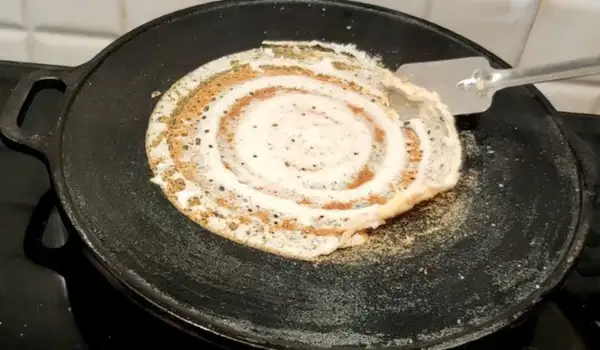
Dosa usually sticks because the surface of the tawa is not at the right temperature, the pan is not properly seasoned, or the batter is too wet or otherwise unsuitable for spreading.
Common causes include:
- Tawa is too cold
- Tawa is excessively hot
- Cast-iron tawa is not properly seasoned
- Batter consistency is incorrect
- Batter has fermented poorly
- Too much or too little oil
- Dosa is spread too aggressively
- Tawa surface is dirty or damaged
- Dosa is flipped or removed too early
- Certain ingredients in the batter affect the texture
- The Tawa Is Not Properly Seasoned
This is especially important when using a cast-iron tawa.
A well-seasoned cast-iron surface develops a layer that helps food release more easily. A new or poorly seasoned tawa can cause dosa to stick badly.
How to improve seasoning
A simple approach is to:
- Clean and dry the tawa properly.
- Apply a thin layer of cooking oil.
- Heat it gently.
- Allow it to cool.
- Repeat the process as needed.
Avoid leaving a thick layer of oil on the surface because it can become sticky rather than improving the cooking surface.
- The Tawa Is Too Cold
A cold tawa can make dosa batter adhere to the surface before it begins cooking properly.
When you spread batter on a properly heated surface, the bottom begins setting quickly, which helps the dosa release later.
If the dosa stays wet and sticks while spreading, check whether the tawa is sufficiently hot.
- The Tawa Is Too Hot
An excessively hot tawa can create a different problem.
The batter may cook immediately when it touches the surface, making it difficult to spread into a thin dosa. It can also cause uneven browning.
If the tawa is smoking heavily, reduce the heat and allow it to cool slightly before spreading the next dosa.
The goal is a properly heated tawa rather than maximum heat.
- Batter Consistency Is Incorrect
Dosa batter needs to be fluid enough to spread easily but not so watery that it becomes difficult to control.
If the batter is too thick, it may not spread properly and can produce an uneven surface.
If it is excessively thin, the dosa may become delicate and difficult to remove.
If necessary, adjust the consistency gradually with a small amount of water.
- The Batter Has Not Fermented Properly
Traditional dosa batter generally relies on fermentation for its characteristic texture and flavour.
Poor fermentation can affect how the batter spreads and cooks.
The ideal fermentation time depends on temperature, ingredients, and the particular recipe. In colder weather, fermentation may take longer.
If the batter has barely fermented, the resulting dosa may be less flexible and harder to handle.
- You Are Spreading the Batter Too Aggressively
Once the batter touches the tawa, it should be spread with controlled circular movements.
Pressing the ladle too hard can disturb the batter and cause it to tear or stick.
Start from the centre and move outward gently.
For very thin dosa, speed and light pressure are particularly important.
- The Tawa Surface Is Dirty
Leftover batter particles, burnt oil, or food residue can create rough patches on the cooking surface.
These areas can cause the next dosa to stick.
After each dosa, check the tawa and remove obvious residue before adding the next batch of batter.
For a cast-iron tawa, avoid harsh cleaning methods that damage its seasoning.
- Too Much Oil Can Cause Problems
Oil is useful for cooking dosa, but adding a large amount can make spreading difficult.
If the surface is covered with excessive oil, the batter may move around instead of adhering evenly to the tawa.
Use a thin layer of oil and spread it evenly.
- Too Little Oil on Certain Tawas
Some cast-iron tawas may require a small amount of oil, particularly when the seasoning is still developing.
If your dosa repeatedly sticks to a properly heated cast-iron surface, lightly oil the tawa before spreading.
The exact amount depends on the pan and batter.
- Removing the Dosa Too Early
A dosa needs enough time to cook and develop a properly browned underside.
Trying to lift it while the bottom is still wet can cause it to tear and appear stuck.
Wait until the edges begin to release and the underside has developed the desired colour.
Use a thin spatula and work gently around the edges before lifting.
Cast Iron vs Non-Stick Tawa for Dosa
Both types can work well, but they behave differently.
| Feature | Cast-Iron Tawa | Non-Stick Tawa |
| Seasoning | Important | Generally not required |
| Heat retention | High | Usually lower |
| Oil requirement | May need some | Often less |
| Maintenance | Requires care | Easier |
| Dosa release | Improves with seasoning | Usually easy when coating is intact |
| Heat control | Needs attention | Generally easier |
A properly seasoned cast-iron tawa can produce excellent dosa, but it may require more technique and maintenance.
How to Stop Dosa From Sticking to a Cast-Iron Tawa
If dosa sticks specifically to your cast-iron pan, try this process:
- Heat the tawa gradually.
- Apply a very thin layer of oil.
- Spread the oil evenly.
- Allow the pan to reach a suitable cooking temperature.
- Pour the batter.
- Spread it gently and quickly.
- Reduce the heat if the batter cooks too rapidly.
- Allow the dosa to cook properly before lifting it.
If the pan continues to stick even after repeated seasoning and proper heating, the seasoning may need to be improved.
How to Stop Dosa From Sticking to a Non-Stick Pan
For a non-stick tawa:
- Avoid overheating the empty pan.
- Use moderate heat.
- Keep the cooking surface clean.
- Avoid metal utensils that can damage the coating.
- Do not use a damaged or peeling non-stick surface.
- Use only a small amount of oil when needed.
A damaged coating can affect cooking performance and may be a reason to replace the pan.
How to Fix Dosa Batter That Is Too Thick
If the batter does not spread easily, add water gradually.
Mix thoroughly after each small addition and test one dosa.
Avoid adding a large quantity of water at once because an overly thin batter may become difficult to cook and remove.
How to Fix Dosa Batter That Is Too Thin
If the batter spreads too quickly and produces a very delicate dosa, it may be too thin.
You can adjust the consistency gradually. If the batter is significantly over-diluted, adding a small amount of properly prepared dosa batter can help restore its consistency.
Why Does Dosa Stick Only on the First Attempt?
If only the first dosa sticks but later ones release normally, the tawa temperature may not have stabilized yet.
The first dosa can also help distribute oil and establish the right surface temperature.
Allow the tawa to heat properly before starting, and adjust the heat after the first dosa if necessary.
Why Does Dosa Stick After Changing the Tawa?
Different tawas require different heat settings and handling.
A cast-iron tawa may retain heat longer, while a non-stick pan can respond more quickly to changes in temperature.
When using a new pan, start with moderate heat and adjust based on how quickly the batter cooks.
Common Mistakes That Make Dosa Stick
| Mistake | Possible Result |
| Cold tawa | Batter sticks before cooking |
| Excessively hot tawa | Batter cooks before spreading |
| Poor seasoning | Dosa sticks to cast iron |
| Thick batter | Difficult spreading |
| Excessively thin batter | Delicate or tearing dosa |
| Too much oil | Difficult spreading |
| Dirty tawa | Uneven sticking |
| Premature lifting | Dosa tears |
| Aggressive spreading | Batter gets disturbed |
How to Make Dosa Release Easily
For consistently good results, follow this basic routine:
Before cooking
- Check the batter consistency.
- Make sure the tawa is clean.
- Heat the tawa gradually.
- Keep a little oil available.
While cooking
- Spread the batter gently.
- Adjust the heat according to the tawa.
- Avoid excessive oil.
- Don’t disturb the dosa too early.
Before removing
- Check whether the edges are releasing.
- Allow the underside to cook properly.
- Use a thin spatula.
- Lift gently rather than scraping forcefully.
Can Onion or Potato Help Prevent Dosa From Sticking?
Some traditional cooking methods use an onion half dipped lightly in oil to spread a thin layer of oil over a cast-iron tawa.
This can help distribute oil, but it is not a substitute for proper seasoning or temperature control.
If you use this method, keep the oil layer thin and avoid overheating the pan.
Frequently Asked Questions
Why does my dosa stick even on a non-stick pan?
Possible reasons include excessive heat, a damaged coating, unsuitable batter consistency, or trying to lift the dosa before it has cooked properly.
Why does dosa stick to a cast-iron tawa?
The most common reasons are inadequate seasoning, incorrect temperature, insufficient oil, or batter that is not suitable for spreading.
Should the dosa tawa be hot before adding batter?
Yes. A properly heated tawa generally helps the batter begin cooking as soon as it reaches the surface. However, it should not be excessively hot.
How do I know when dosa is ready to remove?
The edges usually begin releasing from the tawa, and the underside should have developed the desired level of browning. At that point, gently loosen it with a spatula.
Why does dosa tear when I try to remove it?
It may be too soft, undercooked, stuck to the surface, or spread too thinly. Allowing the underside to cook longer can sometimes help.
Conclusion
Dosa sticking to the tawa is usually caused by a combination of temperature, batter consistency, seasoning and cooking technique. A properly heated and clean tawa, well-fermented batter, moderate oil and gentle spreading can make a major difference.
If you are using cast iron, focus particularly on seasoning and heat control. If you are using non-stick cookware, avoid excessive heat and make sure the coating is in good condition.