How to Keep Green Chilies Fresh for a Longer Time
Green chilies are used in many Indian dishes, but they can lose their freshness quickly when stored incorrectly. They may become soft, wrinkled, discoloured, or develop black spots within a few days.
The good news is that green chilies can stay fresh for considerably longer when excess moisture is controlled and they are stored at the right temperature. Whether you buy a small quantity for everyday cooking or store them for several weeks, a few simple methods can help reduce food waste.
Why Do Green Chilies Spoil Quickly?
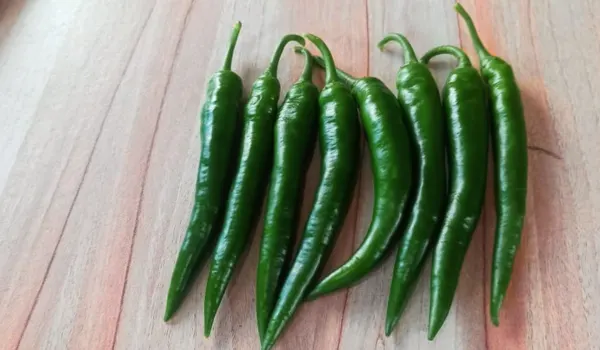
Green chilies contain a significant amount of moisture. If they are stored while wet or kept in a poorly ventilated environment, moisture can accumulate and encourage deterioration.
Common reasons include:
- Storing chilies while they are wet
- Keeping damaged chilies with fresh ones
- Excess condensation inside the storage container
- Poor air circulation
- Storing them at unsuitable temperatures
- Washing the entire batch before storage
- Leaving chilies exposed to dry refrigerator air
- Choose Fresh Green Chilies
Storage starts at the time of purchase.
Choose chilies that are:
- Firm
- Fresh-looking
- Brightly coloured
- Free from soft spots
- Free from mould
- Free from major cuts or bruises
Avoid buying chilies that already have significant black spots, shrivelling, or soft areas because they are unlikely to last as long.
- Don’t Wash Green Chilies Before Storage
One of the simplest ways to extend their storage life is to avoid storing them while wet.
If possible, wash only the quantity you plan to use immediately.
If you have already washed the chilies, dry them thoroughly with a clean kitchen towel or allow them to air-dry completely before storing them.
Trapped water can encourage faster deterioration.
- Remove Damaged Chilies
Before storing green chilies, inspect the batch and remove any that are:
- Very soft
- Bruised
- Cut
- Leaking
- Mouldy
- Already significantly discoloured
A damaged chili can deteriorate faster and may affect the quality of the surrounding produce.
- Remove the Stems If Appropriate
Some people remove the stems before storing green chilies because the stem area can retain moisture and may deteriorate.
If you prefer this method, remove the stems carefully and ensure the chilies are completely dry before storage.
However, removing the stems is not essential. Good temperature and moisture control are more important.
- Wrap Green Chilies in Paper Towel
A simple refrigerator-storage method is to wrap dry green chilies loosely in a clean paper towel.
The paper towel can absorb excess moisture and help prevent condensation from remaining directly against the chilies.
Place the wrapped chilies inside a suitable food-storage container or bag.
Replace the paper towel if it becomes damp.
- Use a Perforated or Ventilated Bag
Green chilies need protection from excessive moisture but should not necessarily be trapped in a completely wet environment.
A food-safe bag with some ventilation can help balance moisture and airflow.
If you use a sealed container, check it periodically for condensation and remove excess moisture.
- Store Them in the Refrigerator
For longer storage, green chilies are generally best kept refrigerated.
The refrigerator slows deterioration compared with leaving fresh chilies at room temperature for several days.
Keep them in a suitable produce or vegetable-storage area where they are protected from excessive moisture.
- Avoid Storing Wet Chilies in an Airtight Container
This is a particularly common mistake.
If wet chilies are placed into a tightly sealed container, the trapped moisture can lead to condensation. The chilies may then become soft or develop mould more quickly.
Always focus on keeping the chilies reasonably dry before storage.
Best Way to Store Green Chilies in the Refrigerator
A simple method is:
- Sort the chilies and remove damaged ones.
- Do not wash them unless necessary.
- If they have been washed, dry them completely.
- Wrap them loosely in a clean paper towel.
- Place them in a suitable food-storage bag or container.
- Keep them refrigerated.
- Check them every few days.
- Remove any chili that starts deteriorating significantly.
This method is simple and does not require special equipment.
How to Store Green Chilies Without a Refrigerator
If refrigeration is not available, the storage period will generally be shorter.
Keep green chilies:
- In a cool place
- Away from direct sunlight
- Away from heat-producing appliances
- In a dry, well-ventilated environment
- Away from excess moisture
Do not keep them in a tightly closed, wet plastic bag.
For longer storage, refrigeration is generally more practical.
How to Keep Green Chilies Fresh for 2–3 Weeks
The exact storage life varies depending on freshness, variety, temperature, and handling, so no single method can guarantee a particular number of days.
For a longer storage period:
- Start with very fresh chilies.
- Remove damaged pieces.
- Keep them dry.
- Avoid washing before storage.
- Use paper towel to control moisture.
- Store them in the refrigerator.
- Check regularly and remove deteriorating chilies.
Good moisture control is particularly important.
How to Store Cut Green Chilies
Cut chilies generally deteriorate faster than whole chilies because cutting exposes their internal tissues to air and moisture.
If you have leftover cut chilies:
- Place them in a clean food-safe container.
- Keep the container covered.
- Refrigerate promptly.
- Use them relatively quickly.
- Check for unusual smell, mould, or deterioration before use.
For the best quality, it is usually better to cut chilies when needed rather than preparing a very large quantity in advance.
Can Green Chilies Be Frozen?
Yes, green chilies can be frozen for longer-term storage.
Freezing is particularly useful when you have purchased more chilies than you can use while fresh.
Simple freezing method
- Sort the chilies.
- Remove stems if desired.
- Wash them if necessary.
- Dry them thoroughly.
- Place them in a suitable freezer-safe bag or container.
- Remove excess air where practical.
- Freeze.
Frozen chilies may become softer after thawing, so they are usually more suitable for cooked dishes than preparations where fresh crunch is important.
Green Chilies: Storage Methods Compared
| Storage Method | Best For | Important Tip |
| Refrigerator + paper towel | Regular household storage | Keep chilies dry |
| Ventilated food-safe bag | Short-to-medium storage | Avoid excess condensation |
| Covered container | Clean, organized storage | Check for moisture |
| Room temperature | Short-term use | Keep cool and dry |
| Freezing | Long-term storage | Texture changes after thawing |
Why Do Green Chilies Turn Black?
Black spots can develop for several reasons, including physical damage, ageing, moisture-related deterioration, or microbial spoilage.
A small isolated blemish does not necessarily mean the entire batch is spoiled, but chilies showing mould, extensive deterioration, unusual softness, or an unpleasant smell should be discarded.
Do not store visibly spoiled chilies together with fresh ones.
Why Do Green Chilies Become Soft?
Loss of firmness can happen as chilies age. Excess moisture and unsuitable storage conditions can accelerate deterioration.
To reduce this problem:
- Keep chilies dry.
- Refrigerate them appropriately.
- Avoid trapping condensation.
- Remove damaged pieces promptly.
Common Mistakes When Storing Green Chilies
Washing Before Storage
If chilies remain wet, moisture can become trapped around them.
Using a Completely Wet Plastic Bag
This can create a humid environment and accelerate deterioration.
Storing Damaged Chilies
Bruised or damaged chilies can deteriorate faster than intact ones.
Leaving Them Near Heat
Heat can speed up quality loss.
Forgetting to Check the Batch
One deteriorating chili can go unnoticed and increase the risk of spoilage spreading to nearby produce.
Tips to Keep Green Chilies Fresh Longer
- Buy firm and fresh chilies.
- Sort them before storage.
- Remove damaged pieces.
- Avoid washing until needed.
- Dry thoroughly if they have been washed.
- Use paper towel to absorb excess moisture.
- Store in the refrigerator for longer freshness.
- Avoid excessive condensation.
- Keep cut chilies covered and refrigerated.
- Freeze surplus chilies for long-term use.
- Check stored chilies regularly.
Frequently Asked Questions
Should green chilies be stored in the refrigerator?
Yes. Refrigeration can help slow deterioration and keep fresh green chilies usable for longer than storing them in a warm environment.
Should I wash green chilies before storing them?
It is generally better to avoid storing them wet. If you wash them before storage, dry them completely first.
How do I stop green chilies from becoming soft?
Keep them dry, control condensation, refrigerate them appropriately, and remove damaged chilies from the batch.
Can I freeze green chilies?
Yes. Green chilies can be frozen for longer-term storage. Their texture may become softer after thawing, but they remain useful in many cooked dishes.
Why are my green chilies getting mouldy in the refrigerator?
Excess moisture, condensation, damaged chilies, and poor airflow can contribute to mould growth. Keep the chilies dry and remove deteriorating pieces promptly.
Is it necessary to remove the stems before storing green chilies?
No. Removing stems is optional. Proper moisture control and refrigeration are generally more important for maintaining freshness.
Conclusion
The easiest way to keep green chilies fresh for longer is to control moisture and refrigerate them properly. Start with fresh chilies, remove damaged pieces, avoid storing them wet, and use a paper towel or suitable ventilated storage method to manage excess moisture.
If you have more chilies than you can use within their fresh-storage period, freezing is a practical option for longer-term use, especially in cooked dishes.