Why Does Rice Become Sticky After Cooking? Causes and How to Fix It
Sticky rice is a common problem when cooking rice at home. Instead of getting separate, fluffy grains, the cooked rice may become clumpy, mushy, wet, or sticky.
This does not always mean that the rice is spoiled or that something is seriously wrong with the cooking method. The type of rice, amount of water, washing technique, cooking time, temperature, and handling after cooking can all affect the final texture.
The good news is that most sticky-rice problems can be prevented with a few simple changes.
Why Does Rice Become Sticky After Cooking?
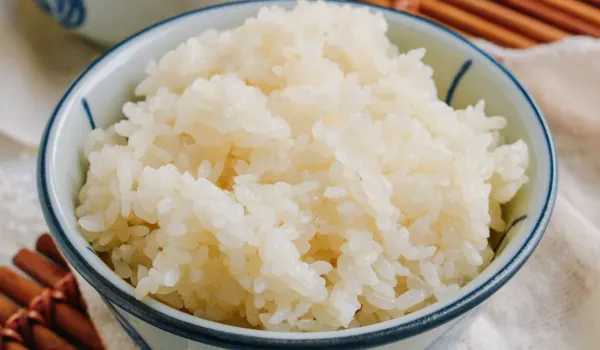
Rice becomes sticky mainly when the grains release too much starch or absorb more water than needed. Overcooking and excessive stirring can make the grains break down further, creating a softer and stickier texture.
The most common reasons include:
- Using too much water
- Not washing the rice properly
- Choosing a naturally sticky rice variety
- Overcooking the rice
- Soaking it for too long
- Stirring rice too much while cooking
- Keeping cooked rice covered for too long
- Using damaged or broken rice grains
- Not allowing excess moisture to escape after cooking
- Using Too Much Water
One of the biggest reasons rice becomes sticky is excess water.
When rice absorbs more water than necessary, the grains can become soft and swollen. Some varieties release more starch during cooking, which can make the finished rice even stickier.
The correct amount of water depends on the rice variety and cooking method, so there is no single water-to-rice ratio that works for every type.
How to fix it
Start with the recommended water quantity for the particular rice you are using. If your rice repeatedly becomes mushy, reduce the water slightly in the next batch.
Make small adjustments rather than drastically reducing the water, as insufficient water can leave the rice undercooked.
- Not Washing Rice Properly
Rice grains contain surface starch. When there is a large amount of loose starch on the surface, it can contribute to a sticky texture during cooking.
Rinsing rice several times with clean water can remove some of this surface starch.
How to wash rice
- Put the rice in a bowl.
- Add clean water.
- Gently swirl the grains.
- Drain the cloudy water.
- Repeat until the water becomes noticeably clearer.
You do not necessarily need perfectly clear water, but thorough rinsing can help reduce excess surface starch.
- Using a Naturally Sticky Rice Variety
Not all rice is supposed to cook into separate grains.
Some varieties naturally contain starch characteristics that produce a softer or stickier texture. Short-grain and certain medium-grain varieties can be stickier than long-grain varieties.
If you want separate grains, choose a rice variety known for producing a fluffy texture.
Rice types and texture
| Rice Type | Typical Cooked Texture |
| Long-grain rice | Relatively separate and fluffy |
| Basmati rice | Long, aromatic and generally separate |
| Short-grain rice | Softer and often stickier |
| Sticky/glutinous rice | Naturally very sticky |
| Broken rice | Can become softer and more cohesive |
The specific variety and processing method also affect the final result.
- Overcooking the Rice
Rice can become sticky if it is cooked for too long.
Prolonged heating allows the grains to absorb more water and can cause them to lose their structure.
Once the rice is properly cooked, turn off the heat rather than continuing to boil it unnecessarily.
- Soaking Rice for Too Long
Soaking can be useful for certain types of rice and recipes, but excessive soaking can affect the amount of water the grains absorb during cooking.
If you soak rice for a long time and then use the same amount of cooking water as you would for unsoaked rice, the final rice may become too soft.
If you prefer to soak rice, adjust the cooking process accordingly.
- Stirring Rice Too Much
Frequent stirring can disturb the grains and encourage starch to move into the cooking water.
This can make the finished rice more cohesive and sticky.
Once the rice is cooking, avoid unnecessary stirring. Gentle handling is usually enough.
- Cooking Rice at Excessively High Heat
Very high heat can cause uneven cooking.
The water may evaporate too quickly from the surface while the grains continue absorbing moisture. This can result in unevenly cooked rice and, depending on the method, softer or stickier grains.
After the water reaches a boil, lowering the heat and allowing the rice to cook gently can provide better control.
- Not Letting Rice Rest After Cooking
Freshly cooked rice contains a significant amount of steam and moisture.
Allowing it to rest for a few minutes after cooking, preferably with the lid on and then gently fluffing it, can improve the texture.
Use a fork or rice paddle to separate the grains rather than aggressively stirring them.
How to Cook Rice Without Making It Sticky
A simple stovetop method is:
- Measure the rice.
- Rinse it thoroughly.
- Drain the excess water.
- Add the appropriate amount of fresh water.
- Bring it to a boil.
- Reduce the heat.
- Cover and cook until the rice is tender.
- Turn off the heat once it is cooked.
- Let it rest for several minutes.
- Fluff gently with a fork or rice paddle.
The exact water quantity and cooking time should be adjusted according to the rice variety.
How to Fix Sticky Rice After Cooking
If the rice has already become sticky, you may still be able to improve its texture.
- Let Excess Steam Escape
Remove the lid and allow some excess moisture to escape if the rice is wet.
Do not leave cooked rice at room temperature for an unnecessarily long period because cooked rice requires proper food-safety handling.
- Fluff It Gently
Use a fork or rice paddle to separate the grains.
Avoid vigorous stirring because it can break the grains and make the texture worse.
- Spread It Out Briefly
If the rice is only slightly too moist, spreading it in a thin layer on a clean tray can allow excess steam to escape.
If you are not serving it immediately, handle and refrigerate cooked rice promptly rather than leaving it out for extended periods.
- Use It in Another Dish
Very soft rice can still be useful in recipes where a softer texture is suitable, such as:
- Fried rice, if the grains can be separated sufficiently
- Rice cutlets
- Rice pancakes
- Rice porridge
- Curd rice
- Rice pudding
How to Fix Rice That Is Too Wet
If the rice is cooked but contains excess water, drain the excess water carefully if possible.
You can then return the rice to low heat briefly to allow remaining moisture to evaporate. Avoid prolonged heating, as it can make the grains even softer.
Why Does Basmati Rice Become Sticky?
Basmati rice is generally known for producing long, separate grains, but it can still become sticky.
Common causes include:
- Excess water
- Insufficient rinsing
- Overcooking
- Excessive soaking
- Too much stirring
- Not allowing the rice to rest
For fluffy basmati rice, rinse the grains properly, use an appropriate amount of water, cook gently, and fluff carefully after resting.
How to Make Rice Fluffy and Separate
If your goal is restaurant-style fluffy rice, pay attention to the entire cooking process rather than just the water quantity.
Before cooking
- Choose suitable long-grain rice.
- Rinse it properly.
- Soak only when appropriate.
- Drain excess water.
During cooking
- Use the correct water quantity.
- Avoid frequent stirring.
- Maintain controlled heat.
- Do not overcook.
After cooking
- Allow the rice to rest.
- Remove the lid carefully.
- Fluff gently.
- Avoid crushing the grains.
Does Adding Oil Prevent Rice From Becoming Sticky?
Adding a small amount of oil while cooking rice may help reduce the tendency of grains to stick to each other or the cooking vessel, but it is not a solution for using excessive water or overcooking.
The main factors are still rice variety, water quantity, cooking time, and handling.
Does Washing Rice Make It Less Sticky?
Rinsing rice removes some surface starch and can help produce a more separate texture.
However, washing alone cannot prevent stickiness if you use too much water or overcook the rice.
Common Rice-Cooking Mistakes
| Mistake | Likely Result |
| Too much water | Soft or mushy rice |
| Too little water | Hard or undercooked rice |
| Insufficient rinsing | More surface starch and clumping |
| Excessive soaking | Overly soft grains |
| Overcooking | Mushy or sticky texture |
| Frequent stirring | Broken and sticky grains |
| High heat throughout | Uneven cooking |
| No resting period | Less distinct grains |
How to Store Cooked Rice Safely
If you are not eating the rice immediately, do not leave cooked rice at room temperature for an extended period.
Transfer leftovers into a suitable container and refrigerate them promptly. When reheating, make sure the rice is heated thoroughly.
This is particularly important because cooked rice can support the growth of certain bacteria if it is kept improperly at room temperature.
Frequently Asked Questions
Why does my rice become sticky every time?
The most likely causes are excessive water, insufficient rinsing, overcooking, or using a rice variety that naturally produces a softer texture.
Does adding more water make rice softer?
Yes, but too much water can make it mushy and sticky. The correct quantity depends on the rice variety and cooking method.
Should rice be washed before cooking?
Rinsing is commonly used to remove surface starch and impurities and can help produce more separate grains.
Why does my basmati rice become mushy?
Usually because of excessive water, overcooking, prolonged soaking, or excessive stirring. Try adjusting one factor at a time to identify the cause.
Can sticky rice be made fluffy again?
Slightly sticky rice may improve when excess steam escapes and the grains are gently fluffed. However, severely overcooked rice cannot always be returned to its original texture.
Is sticky cooked rice safe to eat?
Stickiness itself does not mean rice is unsafe. Food safety depends mainly on how the rice was cooked, handled, stored, and reheated.
Conclusion
Sticky rice is usually caused by excess moisture, surface starch, overcooking, or the natural characteristics of the rice variety. Rinse the rice properly, use the appropriate amount of water, avoid excessive stirring, and stop cooking once the grains are tender.
If the rice is only slightly sticky, letting excess steam escape and gently fluffing it can improve the texture. For consistently separate grains, choosing the right rice variety and adjusting the water quantity are the most important starting points.