How to Prevent Curd From Turning Sour Quickly
Homemade curd is a regular part of many Indian meals, but it can become sour quickly, especially during hot weather. While some sourness naturally develops as curd continues to ferment, proper preparation and storage can slow down the process.
If your curd becomes too sour within a day or two, factors such as fermentation time, temperature, starter quantity, milk temperature, and refrigerator storage may be responsible.
Here are practical ways to keep homemade curd fresh and mild for longer.
Why Does Curd Become Sour?
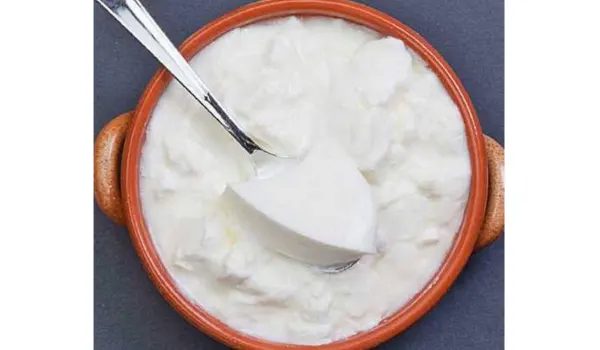
Curd becomes sour because bacteria in the starter culture ferment lactose in milk and produce lactic acid. As fermentation continues, acidity increases and the taste becomes progressively more sour.
The process becomes faster when the curd is kept warm for too long.
Common reasons include:
- Keeping curd outside the refrigerator for too long
- Using too much starter curd
- Fermenting for excessive time
- Using very warm conditions
- Leaving freshly set curd undisturbed for too long
- Storing curd in an unsuitable container
- Repeatedly taking curd out of the refrigerator
- Don’t Use Too Much Starter Curd
One of the most common mistakes is adding a large quantity of old curd as a starter.
You only need a relatively small amount of starter to culture the milk. The exact quantity depends on temperature, milk quantity, and the starter culture.
Using excessive starter does not necessarily produce better curd and can contribute to faster fermentation.
- Use Fresh Starter Curd
The quality of the starter can affect the new batch.
Use fresh, mild curd rather than very sour or old curd whenever possible. A starter that is already highly acidic may produce a more acidic-tasting batch.
Keep the starter refrigerated until you are ready to use it.
- Use the Right Milk Temperature
Milk should be warm when the starter is added, but it should not be extremely hot.
If the milk is too hot, it can damage the bacterial culture. If it is too cool, fermentation may take much longer.
A practical approach is to allow boiled milk to cool until it is comfortably warm before mixing in the starter.
- Don’t Ferment Curd for Too Long
The longer curd ferments, the more acidic it generally becomes.
Once the curd has set properly, move it to the refrigerator. Do not leave it sitting at room temperature for several additional hours simply because you want it to become firmer.
The exact setting time depends heavily on room temperature.
During summer
Warm temperatures can make curd set quickly. Check it earlier rather than following the same timing you use during winter.
During winter
Fermentation may take longer because the environment is cooler.
- Refrigerate Curd After It Sets
This is one of the most effective ways to slow further souring.
Once the curd has set, place it in the refrigerator. Cold temperatures slow the activity of the bacteria responsible for continued fermentation.
For best quality, keep the refrigerator at a safe cold temperature, generally 4°C (40°F) or below.
- Use a Clean Container
Always use a clean food-safe container for making and storing curd.
Dirty utensils or containers can introduce unwanted microorganisms and affect the quality and shelf life of the curd.
A container with a suitable lid is also useful because it protects the curd from absorbing refrigerator odours.
- Avoid Repeated Temperature Changes
Taking the same container in and out of the refrigerator repeatedly can expose the curd to temperature changes.
Instead, take out only the quantity you need and return the main container to the refrigerator promptly.
- Keep the Container Covered
Keep curd covered while it is stored in the refrigerator.
This helps protect it from contamination and prevents it from absorbing strong smells from foods such as onions, garlic, or heavily spiced dishes.
- Don’t Mix Fresh and Old Curd
If some curd has already become very sour, mixing it into a fresh batch is not a good way to reduce sourness.
Use a mild, fresh starter when preparing a new batch instead.
How to Make Mild Homemade Curd
A simple method is:
- Boil fresh milk properly.
- Allow it to cool until comfortably warm.
- Add a small amount of fresh starter curd.
- Mix gently.
- Cover the container.
- Allow it to ferment until it sets.
- Check it rather than leaving it out unnecessarily long.
- Refrigerate once it has set.
The exact setting time will vary according to the season and room temperature.
How to Prevent Curd From Becoming Sour in Summer
Summer requires extra attention because high temperatures speed up fermentation.
Try these methods:
- Use less starter if your usual batch sets very quickly.
- Check the curd earlier than usual.
- Move it to the refrigerator as soon as it sets.
- Keep the refrigerator sufficiently cold.
- Avoid leaving the container outside for extended periods.
- Don’t repeatedly remove and return the same container.
If your kitchen is particularly warm, the curd may set much faster than it does during winter.
How to Prevent Curd From Becoming Sour Overnight
If your curd becomes excessively sour overnight, it may be because fermentation continues for too long before refrigeration.
Prepare the curd at a time that allows you to check it after it has set. Once the desired consistency is reached, refrigerate it.
During warm weather, this may mean making curd earlier in the evening and checking it before going to bed.
Does Adding More Milk Prevent Curd From Becoming Sour?
Adding milk to already prepared curd does not reliably prevent sourness and can interfere with the intended consistency.
If you want milder curd, it is better to control the fermentation process from the beginning by adjusting the starter quantity, fermentation time, and temperature.
Can You Make Curd Less Sour?
If curd has only become mildly sour, you can sometimes balance its taste when using it in recipes.
For example, it can be used in:
- Kadhi
- Raita
- Marinades
- Dips
- Dough preparation
- Chaas or buttermilk
However, adding sugar, water, or milk does not reverse the fermentation process. It only changes the taste or consistency.
How to Store Curd Properly
| Storage Practice | Why It Helps |
| Refrigerate after setting | Slows further fermentation |
| Keep container covered | Reduces contamination and odour absorption |
| Use clean utensils | Reduces unwanted contamination |
| Avoid repeated temperature changes | Helps maintain consistent storage conditions |
| Use fresh starter | Produces more predictable fermentation |
| Avoid excessive fermentation | Reduces unnecessary acidity |
Common Mistakes That Make Curd Sour Quickly
Adding Too Much Starter
More starter is not necessarily better. Excess starter can speed up fermentation.
Leaving Curd Outside After It Sets
Once curd has reached the desired consistency, continued warm fermentation can increase sourness.
Using Very Sour Starter
Old, strongly sour curd may not be the ideal starter for a mild batch.
Keeping Curd in a Warm Place for Too Long
Warm temperatures encourage faster fermentation.
Frequently Opening the Container
Repeated handling increases exposure to the environment and can also cause temperature fluctuations.
Not Refrigerating Quickly Enough
Delaying refrigeration after setting allows fermentation to continue.
Is Sour Curd Safe to Eat?
Sourness by itself does not automatically mean that curd has spoiled. Curd naturally becomes more acidic as fermentation continues.
However, discard curd if it shows signs of spoilage such as:
- Unusual mould growth
- A distinctly unpleasant or rotten smell
- Unusual discoloration
- A slimy or otherwise abnormal texture
- Other obvious signs that it has deteriorated
When in doubt about food safety, it is safer not to consume it.
Frequently Asked Questions
Why does homemade curd become sour so quickly?
Usually because fermentation continues for too long, particularly in warm conditions. Excess starter and delayed refrigeration can also contribute.
How can I keep homemade curd fresh for longer?
Refrigerate it as soon as it sets, keep it covered, use clean utensils, and avoid repeated temperature changes.
Should curd be kept in the refrigerator immediately after making it?
Not necessarily immediately after adding the starter. It first needs time to ferment and set. Once it has reached the desired consistency, refrigerate it.
Does adding more starter make curd better?
Not necessarily. A relatively small amount of fresh starter is generally sufficient. Excess starter can make fermentation faster.
Why does curd become sour in summer?
Higher temperatures speed up the fermentation process, causing acidity to increase more quickly.
Can sour curd be used instead of throwing it away?
Mildly sour curd can often be used in suitable cooked dishes or preparations, provided it has no signs of spoilage.
Conclusion
To prevent homemade curd from turning sour quickly, focus on controlling fermentation time and temperature. Use a fresh starter in a moderate amount, allow the milk to ferment only until it sets, and refrigerate the curd promptly.
During summer, check the curd earlier because warm temperatures can significantly speed up fermentation. Proper refrigeration and clean storage can then help maintain its taste and quality for longer.