Why Does Poha Become Soggy? Mistakes and How to Make It Fluffy
Poha is a popular Indian breakfast made from flattened rice, but getting the right texture can sometimes be tricky. Instead of remaining light and fluffy, poha may turn soggy, sticky, mushy, or overly soft.
The main reason is usually excess moisture. How you wash the poha, how long you soak it, the type of poha you use, and how long you cook it can all affect the final texture.
With a few simple changes, you can make poha that is soft enough to eat but still separate and fluffy.
Why Does Poha Become Soggy?
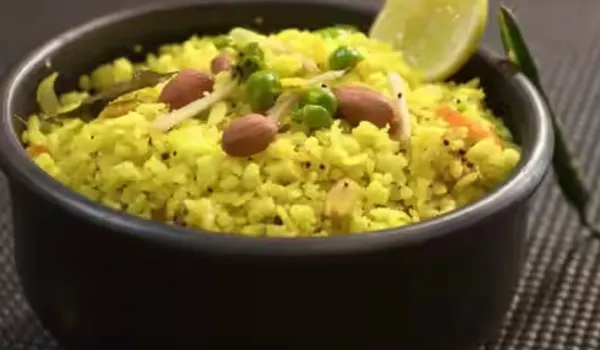
Poha absorbs water very quickly. If it absorbs too much water before cooking, or if additional liquid is added during cooking, the flakes can become mushy.
Common causes include:
- Soaking poha for too long
- Using too much water
- Choosing very thin poha for a recipe that needs thicker flakes
- Washing poha repeatedly
- Not draining excess water
- Adding water while cooking
- Overcooking the poha
- Stirring it too aggressively
- Covering it for too long after cooking
- Using Too Much Water
The most common reason for soggy poha is excessive water.
Poha doesn’t generally need to be soaked like rice or other grains. It needs just enough moisture to soften the flakes.
Instead of pouring a large amount of water over the poha, rinse it under running water and allow the excess water to drain.
- Soaking Poha for Too Long
Long soaking can cause the flakes to absorb excessive moisture.
For most varieties, a quick rinse is enough. After rinsing, let the poha rest for a few minutes so the moisture can distribute evenly.
The exact time depends on the thickness of the poha.
Thick poha
Thicker flakes generally tolerate more moisture and can take slightly longer to soften.
Thin poha
Thin flakes absorb water quickly and usually need much less exposure to water.
- Not Draining the Poha Properly
After rinsing, excess water should be allowed to drain completely.
If water remains at the bottom of the bowl, the poha can continue absorbing it and become soft or mushy before it even reaches the pan.
Use a colander or fine strainer if necessary.
- Using the Wrong Type of Poha
Poha comes in different thicknesses.
For a fluffy cooked poha, medium or thick flattened rice is often easier to handle because it is less likely to turn mushy during cooking.
Very thin poha may soften extremely quickly and is better suited to certain preparations where a delicate texture is desired.
- Adding Water While Cooking
Once the poha has been rinsed and softened, adding extra water to the pan is usually unnecessary.
If the mixture appears dry, the better approach is often to adjust the moisture during the initial rinsing stage rather than pouring water directly into the pan.
How to Wash Poha Without Making It Soggy
Follow these simple steps:
- Place poha in a strainer or bowl.
- Rinse it gently under clean water.
- Avoid repeatedly washing it.
- Let excess water drain completely.
- Allow the poha to rest for a few minutes.
- Check the texture before adding it to the pan.
The flakes should be soft enough to bend or press easily but should still retain their shape.
How to Make Poha Fluffy
Step 1: Choose Suitable Poha
Use medium or thick poha if you want individual flakes that remain relatively separate after cooking.
Step 2: Rinse Gently
Wash the poha quickly rather than soaking it in a large volume of water.
Step 3: Drain Thoroughly
Allow all excess water to drain.
Step 4: Let It Rest
Give the rinsed poha a few minutes to absorb the remaining moisture evenly.
Step 5: Prepare the Tempering
Heat oil in a pan and prepare the tempering with ingredients such as mustard seeds, curry leaves, green chilli, onion, or peanuts according to your recipe.
Step 6: Add the Poha at the End
Add the softened poha after the other ingredients are cooked.
Step 7: Mix Gently
Fold the poha into the mixture instead of stirring aggressively.
Step 8: Cook Briefly
Heat it just long enough for the poha to become warm and absorb the flavours.
What Should the Poha Feel Like Before Cooking?
This is an important test.
Take one rinsed flake and press it gently between your fingers.
It should be:
- Soft
- Moist
- Easily flattened
- Not dripping with water
- Not falling apart immediately
If the flakes are already mushy before they reach the pan, they are likely to become soggy after cooking.
How Long Should Poha Be Rinsed?
There is no universal rinsing time because poha thickness varies.
Rather than measuring time, focus on texture. Rinse until the flakes have absorbed enough moisture to soften, then drain immediately.
This approach is more reliable than soaking every type of poha for the same duration.
Why Does Poha Become Sticky?
Sogginess and stickiness are closely related but not exactly the same.
Poha can become sticky when:
- Too much water is absorbed.
- Very thin flakes are used.
- The poha is overcooked.
- It is stirred too much.
- It is kept covered while very hot for too long.
- Excess starch and moisture accumulate during cooking.
Gentle handling and controlled moisture are the easiest ways to avoid this.
How to Fix Soggy Poha
If your poha has already become too soft, you may still be able to improve it slightly.
- Cook It Uncovered
Remove the lid and allow some excess moisture to escape over low to medium heat.
- Avoid Adding More Water
Do not try to fix the texture by adding additional liquid.
- Add Dry Ingredients
Depending on the recipe, roasted peanuts, lightly cooked vegetables, or other dry ingredients can help improve the overall texture.
- Don’t Over-Stir
Excessive stirring can break already-soft flakes and make the poha even mushier.
If it is extremely watery or has an unusual texture, however, it may not be possible to restore the original fluffy consistency completely.
Why Does Poha Become Soggy After Cooling?
Sometimes poha looks perfect immediately after cooking but becomes softer later.
This can happen because moisture continues to redistribute while the dish sits. Covering steaming-hot poha tightly can also trap condensation.
To reduce this problem:
- Avoid adding excess water.
- Cook the poha only until done.
- Do not keep it covered for unnecessarily long periods.
- Serve it soon after cooking when possible.
Common Mistakes While Making Poha
| Mistake | What Happens |
| Too much water | Poha becomes mushy |
| Long soaking | Flakes absorb excessive moisture |
| Poor draining | Extra water remains in the dish |
| Very thin poha | Softens too quickly |
| Adding water during cooking | Texture becomes soggy |
| Overcooking | Flakes lose their structure |
| Aggressive stirring | Poha breaks and becomes sticky |
| Excessive covering | Condensation can soften the dish |
Can You Make Poha Without Soaking?
Yes. In many preparations, poha does not need traditional soaking.
A quick rinse followed by proper draining is often sufficient. The flakes absorb the moisture remaining after rinsing.
However, the exact method depends on the thickness and variety of poha.
Should You Add Lemon Juice Before or After Cooking?
Lemon juice is generally added toward the end of cooking or after turning off the heat.
It contributes flavour but should not be used as a substitute for controlling moisture.
Adding lemon juice after cooking also allows you to adjust the flavour according to taste.
Tips for Perfect Fluffy Poha
- Use medium or thick poha when appropriate.
- Rinse rather than heavily soak it.
- Drain excess water completely.
- Let the poha rest briefly after rinsing.
- Avoid adding water directly to the pan unless the recipe specifically requires it.
- Cook the vegetables and tempering before adding poha.
- Mix gently.
- Avoid prolonged cooking.
- Don’t keep very hot poha tightly covered for too long.
- Serve soon after preparation for the best texture.
Frequently Asked Questions
Why does my poha become mushy every time?
The most likely reason is excess moisture. Try reducing the amount of water used during rinsing and drain the poha thoroughly before cooking.
Should poha be soaked or washed?
For many common poha recipes, a quick rinse is sufficient. Long soaking can make the flakes overly soft, particularly when using thin poha.
Which poha is best for fluffy poha?
Medium or thick poha is generally easier to use when you want flakes that retain their shape. The best choice also depends on the specific recipe.
Can I fix poha that has become too soggy?
You can remove the lid and gently heat it to allow some moisture to escape. However, severely over-soaked poha may not return completely to its original texture.
Why does poha become sticky after cooking?
Excess moisture, overcooking, aggressive stirring, and using very thin flakes can all contribute to stickiness.
Conclusion
The key to fluffy poha is controlling moisture from the beginning. Rinse the flakes gently, drain them properly, avoid excessive soaking, and cook them only briefly.
If your poha repeatedly turns soggy, start by reducing the amount of water and checking the thickness of the poha you are using. These two changes often make the biggest difference.